Perhaps you were just lucky with the steel-case ammo, RealJon.
Steel-case ammunition, instantly recognizable by its lacquered or polymer-coated steel cartridge, is often touted for its
lower cost compared to brass-case ammunition. However, despite the price advantage, using steel-case ammo comes with a range of potential drawbacks that shooters should carefully consider before stocking up. These disadvantages can range from
increased wear and tear on firearms to
reduced reliability and potential malfunctions.
Several factors contribute to the downsides associated with steel-case ammo:
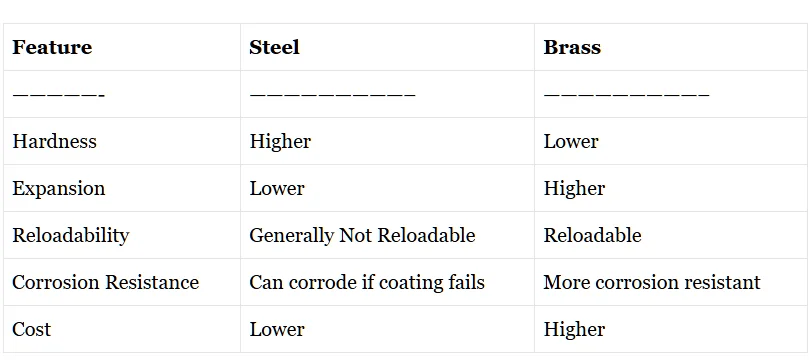
Hardness: Steel is significantly harder than brass. This increased hardness leads to more friction against the chamber walls during cycling, potentially accelerating wear on the
extractor, ejector, and other critical components. Over time, this wear can reduce the lifespan of your firearm.
Poor Expansion: Unlike brass, steel does not expand as readily when fired. This lack of expansion can lead to
increased gas leakage around the cartridge case, depositing more fouling and carbon buildup within the firearm’s action. This can result in decreased reliability and potentially cause malfunctions.
Coating Issues: While the lacquer or polymer coating aims to improve feeding and extraction, it can sometimes cause issues of its own.
Cheap or poorly applied coatings can melt or flake off due to the heat of firing, leading to residue buildup in the chamber and potentially causing sticky extraction.
Increased Wear on Barrels: The combination of the steel case’s hardness and the potential for increased fouling can lead to accelerated wear on the barrel rifling. This, over time, can impact the
accuracy of your firearm.
Difficult Reloading: Steel cases are generally
not reloadable. Brass cases can be reloaded multiple times, making them a more economical choice in the long run for high-volume shooters.
Potential for Damage to Suppressors: The increased gas leakage and potential for particulate matter entering the suppressor can lead to
increased wear and tear, and even damage, on suppressors.
Warranty Concerns: Some firearm manufacturers specifically advise against using steel-case ammunition, as it can
void the warranty in some instances.
These drawbacks, while not always immediately apparent, can contribute to long-term issues. While some shooters experience no issues with steel-case ammunition, others report increased malfunctions, accelerated wear, and decreased accuracy. The specific impact of steel-case ammo can vary depending on the firearm model, the quality of the ammunition, and the frequency of use.
It is crucial to weigh the cost savings against the potential risks before making a decision. If you choose to use steel-case ammunition, it’s recommended to
clean your firearm more frequently and inspect it regularly for signs of wear.
A simple comparison between steel and brass materials shows the distinct differences:
Damage caused by steel-case ammo, will most likely go unnoticed for a significant time. However, when it does become recognizable it will be an expensive and inconvenient experience. My main reason for avoiding steel-case ammo is that it is notoriously filthy, compared to most brass-case ammo.